香港打鼓岭一家今年新开业的持牌宠物寄宿及训练中心8月20日发生致命意外,一名33岁女负责人工作期间被一只寄养的唐狗(粤港澳地区对本地犬种的称呼)袭击,当场不治身亡。 (ECNS) — From artificial intelligence reshaping the workplace to the rapid growth of industries such as integrated circuits, aerospace and biomedicine, Chinese students studying abroad are facing an increasingly diverse set of choices about what comes after graduation — and where they want to build their future. Those questions were at the center of a recent gathering of representatives from Chinese student associations at overseas universities, held at the headquarters of the Western Returned Scholars Association (WRSA) in Beijing. Discussions ranged from career opportunities in China to the role students can play in fostering greater understanding across cultures. One practical question ran throughout the event: How can young people with international experience make the most of new opportunities emerging in China? Xu Chen, executive director for campus and international business at Zhaopin.com, described the changing workplace as moving from a “human-driven” model toward “human-AI collaboration” and, increasingly, an “AI-driven” one. Artificial intelligence is not simply changing existing jobs, he said. It is also reshaping the skills employers value, making the ability to work effectively with AI and apply professional expertise to real-world problems increasingly important. China’s changing industrial landscape is opening up new possibilities as well. Xu pointed to integrated circuits, aerospace, biomedicine, high-end equipment manufacturing, industrial software and intelligent connected vehicles as areas offering strong prospects. Emerging fields such as quantum technology, biomanufacturing, hydrogen energy and nuclear fusion could create further opportunities. For Chinese students studying abroad, these trends are creating new links between the skills and perspectives they acquire overseas and the needs of fast-growing industries in China. But careers were only part of the conversation. Another recurring theme was how students living and studying overseas can help bridge cultural gaps through everyday interaction. At a roundtable on cross-cultural communication, returned graduates and representatives of Chinese student associations discussed how students can help their international peers gain a more nuanced understanding of China. Representatives from student organizations in six countries also shared experiences of campus life, community-building and exchanges with local students and communities. Sun Xinglun, vice president of the Association of Chinese Students and Scholars at Yale, said meaningful communication does not always require grand narratives. A celebration of a Chinese festival, a campus cultural event or even an everyday conversation with a classmate can provide a window into China. Rather than simply explaining China to others, students can begin with subjects their peers are genuinely interested in and draw on their own experiences of studying and living abroad. Such personal exchanges can make cross-cultural communication more natural and relatable. Chinese student associations are also taking on broader roles on overseas campuses. Beyond helping new arrivals adjust to university life, many organize academic events, career programs, cultural activities and community initiatives that bring Chinese students into closer contact with their universities and local communities. In doing so, students are not simply participants in campus life. Their experience of moving between languages, social environments and cultural perspectives can put them in a unique position to connect people who might otherwise have few opportunities to interact. For many participants, studying abroad is therefore about more than earning a degree. It is also about learning how different societies work, understanding different ways of thinking and becoming comfortable communicating across cultural boundaries. Whether they eventually return to China or continue their studies and careers overseas, those experiences can become an asset in an increasingly interconnected world. The program also included sharing sessions on overseas study experiences and employment trends for graduates returning to China. Participants later visited an exhibition tracing the more than century-long history of the Western Returned Scholars Association and the experiences of generations of Chinese who studied overseas before returning to contribute to the country’s development.


。

事发地为打鼓岭坪原路坪洋新村111号“Pawsgate毛界限宠物酒店及犬只训练中心”。

二 | 据香港警方通报及闭路电视片段显示,当日14时许,女事主完成喂食工作后,涉事犬只拒不入笼,并突然向她发起袭击,冲突持续约一分钟。

三 | 人犬随后纠缠移动至监控范围外的场外草地。直至16时12分,有人发现女事主倒卧草地,救护人员到场后证实其已离世。边界警区助理指挥官(行动及刑事)警司陈启泽及边界警区重案组高级督察谭启轩表示,中心的闭路电视拍下整个施袭过程,人员到场时涉嫌施袭的唐狗仍在死者倒卧位置附近徘徊,女死者的头、颈、下颚及双臂均有不同程度的撕裂和由动物造成的咬痕,死者死因以及致命伤需法医剖尸检验后才能确定。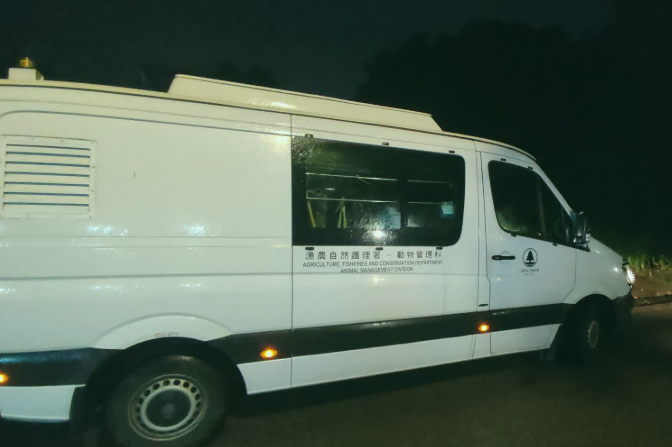 据悉,涉事宠物中心为合法持牌机构,今年1月才开始营业。

四 | 事发时中心内连同涉案唐狗共有7只狗和事主一人,仅肇事犬只滞留场外,另外6只狗均在笼内。涉案唐狗约1岁、雄性、长约1米、重约30公斤,本月11日才由义工带到中心寄养,等待领养。案发后,法医、渔护署及爱护动物协会人员先后到场取证处置,涉事唐狗已被渔护署带走扣留观察。

五 | 案件交由重案组调查,警方将全面检视中心作业流程、饲养规范与管理制度,核查是否存在疏忽违规,还原案件全貌。根据香港现行法例规定,体重达20公斤及以上的犬只均被界定为“大型犬只”,本地常见的唐狗及各类混种犬成年后,大多可达到该重量标准,受相关犬只管理条例监管。若大型狗只出现攻击性行为致人伤亡,或主人未尽到妥善管控义务,均可能面临严厉的法律制裁。来源:中国新闻网、广州日报编辑 李扬责编 夏丽娟审核 丁伟





 发表于 19:26:06


 。
。 QQ好友和群
 QQ空间
QQ空间 腾讯微博
腾讯微博 腾讯朋友
腾讯朋友 收藏
收藏 支持
支持 反对
反对
 发表于 01:42:10


